What is MyHardWired
Behavioral Assessment vs Skill Test: What Really Predicts Leadership Success
Success isn’t just skill. It’s behavior under pressure, alignment across roles.
Stress isn’t random. It’s behavior. Recognizing triggers gives you control.
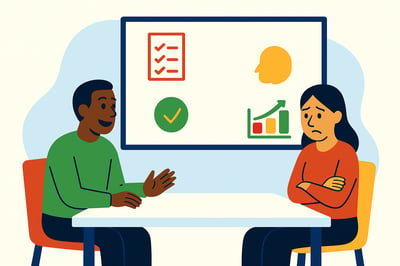
Stress is not weakness. It is wiring.
When pressure rises, your Instinctive Mode steps forward and is the most protective part of your behavior system. It reacts faster than logic, often before you can explain why something feels off.
Two people can face the same situation and experience it completely differently. One may feel motivated, the other cornered. The difference is not resilience. It is behavioral need.
Understanding those needs does not eliminate stress, but it transforms how you interpret it. Instead of calling yourself “too reactive,” you start recognizing stress as a predictable signal: something essential to how you function has just been disrupted.
Most definitions of stress treat it like an outside force. Maybe it’s workload, pressure, or change. But behavior tells a different story. Stress is rarely about the event itself; it is about what the event threatens in your internal sense of stability.
In other words, stress is not one emotion. It is four different alarms, each tied to a behavioral need that protects a specific kind of safety.

|
Color |
What You Need Most |
What Triggers Stress |
How It Shows Up |
What Restores Balance |
|
Red |
Independence and control |
Delays, micromanagement, blurred authority |
Urgency turns to impatience |
Small, visible wins that reestablish autonomy |
|
Yellow |
Connection and recognition |
Disconnection, silence, negative tone |
Energy shifts to over-talking or reassurance seeking |
Genuine interaction or collaboration |
|
Blue |
Understanding and meaning |
Rushed timelines, missing context |
Withdraws or over-analyzes |
Time to reflect, clarify, and make sense |
|
Green |
Stability and structure |
Sudden change, missing process |
Slows down or becomes rigid |
Restoring predictability and clear steps |
Each instinctive style is not a weakness but a stabilizer. Think of it like the mind’s way of keeping you safe when something violates how you’re built to operate.
Organizations often praise composure under pressure. But composure without self-awareness is brittle. When instinctive triggers go unrecognized, stress seeps into leadership, communication, and decision-making.
A Green might resist change under the banner of consistency.Without clarity, stress disguises itself as personality. and we justify dysfunction as style. The result is not resilience but exhaustion.
The value of knowing your Instinctive Mode is not in avoiding stress, but in translating it. Stress becomes a diagnostic tool: a live feed from your behavioral system showing what is missing.
When you can name the signal, you can meet the need without judgment. Awareness replaces reaction.
When leaders, teams, and consultants understand instinctive stress responses, they stop interpreting reactions as resistance. They start seeing them as behavioral intelligence.
It becomes a measurable outcome of self-awareness.
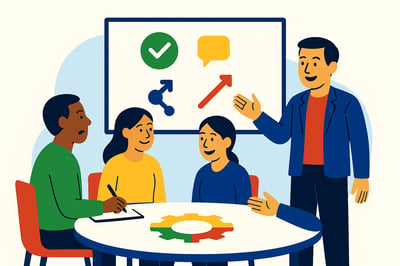
Self-awareness is not self-help. It is a precision tool for performance. The Wired for Growth guide breaks down how your three behavioral modes interact under pressure, how stress alters communication, and how to rebuild clarity faster after disruption.
For Individuals → Turn stress into a signal that strengthens focus and self-trust
For Teams → Equip your team with a shared language for pressure, resilience, and composure
For Consultants → Integrate stress-behavior insights into your practice to deepen impact and client retention
Success isn’t just skill. It’s behavior under pressure, alignment across roles.
Busy isn’t always productive. When you align tasks with how you are wired, you thrive instead of just survive.
Stress doesn’t create who you are. It reveals who you are. Recognize your behavior to lead better.
Be the first to get new articles on Preferred Style, Expectations, and Instinctive Mode and practical ways to lead, coach, and hire in alignment with how people are actually wired.