Wired For Growth
The Clarity Calendar: Using Self‑Awareness to Prioritize What Actually Matters
Your calendar reflects what you value. If it drains you, something’s misaligned.
Behavior assessments that sit in a drawer waste money. Make yours work, day after day.
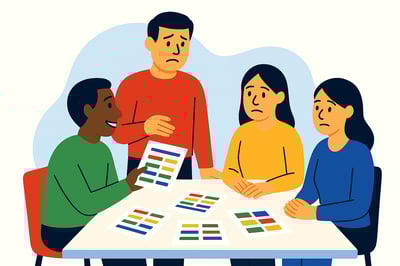
Behavioral assessments don’t fail because they’re wrong. They fail because no one knows what to do next.
You’ve seen it before. The team takes an assessment, everyone nods, laughs, and shares results.
The reports are color-coded, insightful and a month later, forgotten. That’s not because people didn’t care.
It’s because awareness without application doesn’t last.
👉 Want tools clients use long after you leave? Use this framework
Most tools are built for reflection, not reinforcement.
They’re great at explaining who we are but not at guiding what to do next.
Here’s where they usually stall:
When tools don’t translate into daily habits, they become background noise. Well-intentioned, but unused.
Executives don’t need more insight; they need behavior that sticks. Without clear translation, even the best assessments turn into decoration.
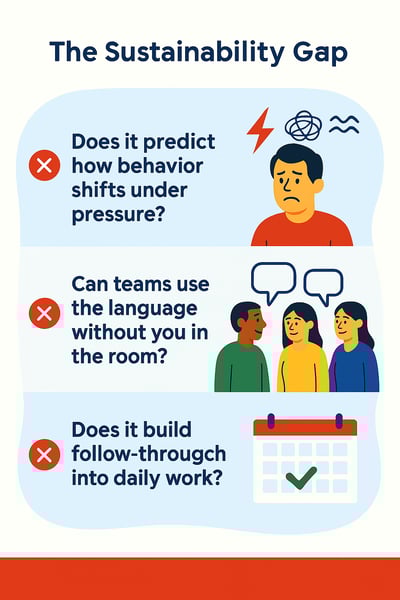
Three questions define sustainability:
If the answer to any is no, the tool becomes a moment, not a movement.
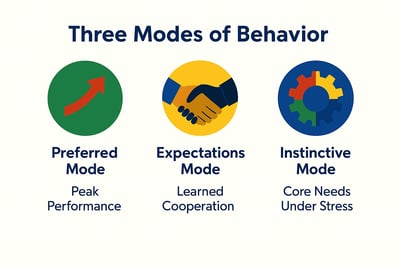
MyHardWired was built to move past the “interesting” phase. It maps behavior across three dimensions, so clients can read patterns in motion, not snapshots in isolation.
When clients see these three together, behavior stops feeling random. They can anticipate breakdowns, realign communication, and adapt in real time.
That’s how the framework becomes habit, not homework.
High-impact consultants don’t just deliver reports. They create behavioral systems that live inside work.
Here’s how:
When clients can see results, the framework earns space in every conversation.
When a framework predicts behavior, it scales.
It shapes how leaders delegate, how teams collaborate, and how consultants sustain impact.
Clients don’t need reminders when a model lives in their workflow. That’s why MyHardWired becomes the reference point.
For Consultants: Before your next session, decide: what will this client do differently tomorrow because of today’s insight?
For Leaders: Choose one behavior to track like how many times your team needed you to repeat instructions. What pattern do you see?
For Teams: Start one meeting by naming which Mode each person is operating from. Notice how clarity shifts the tone.
Small, visible habits beat big forgotten frameworks.
Sustainability starts where facilitation ends.
Ask yourself:
When awareness becomes language and language becomes habit, your framework stops being an event.
It becomes infrastructure.
The Consultant’s Edge guide reveals how to design tools and sessions that drive behavior long after delivery. It explores how to turn MyHardWired insights into measurable impact that scales across leaders and teams.
For Individuals → Discover how your wiring impacts your habits and focus
For Teams → Build a shared behavioral system that strengthens collaboration.
For Consultants → Deliver assessments that sustain action, not sit in drawers.
Your calendar reflects what you value. If it drains you, something’s misaligned.
Winning a client is great. Keeping them is rare. Behavior insight makes the difference.
Workshops excite. Transformation endures. Behavior is what makes the difference.
Be the first to get new articles on Preferred Style, Expectations, and Instinctive Mode and practical ways to lead, coach, and hire in alignment with how people are actually wired.