What is MyHardWired
Preferred Mode Tasks: Why Matching Your Work to Your Behavior Changes Everything
Your best work happens where your preferred mode meets work, not where it doesn’t.
“Mentors and feedback aren’t enough. What matters is how you receive them.”

Mentorship and feedback drive growth, but not everyone experiences them the same way. Two people can hear identical advice and walk away with opposite reactions. One feels clear and motivated. The other feels criticized and deflated. The difference is not the quality of the message. It is the behavioral lens through which it is received.
👉When you understand your wiring, you can turn feedback into forward motion instead of friction.
Feedback is not neutral. It passes through filters of emotion, trust, and perception that are unique to each person’s behavioral makeup.
Once you can see these behavioral lenses, feedback stops feeling like judgment and starts functioning as strategy.
See how MyHardWired helps decode your feedback patterns
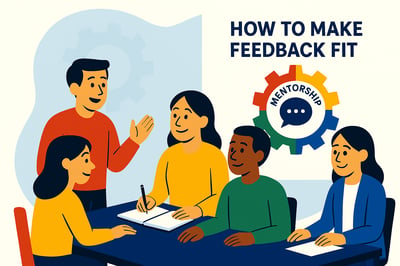
Great mentorship is not spontaneous. It is intentionally aligned to the way people process communication and emotion.
Name your feedback rhythm. Let others know how you prefer to receive input. Some people thrive on quick exchanges; others need context first.
Clarify the purpose. Define what kind of feedback you are seeking? Is it performance, perspective, or development? Clarity reduces misinterpretation.
Match the setting to the style. A Blue may need quiet time for reflection; a Yellow may engage best in dialogue; a Red appreciates short direct check-ins; a Green benefits from written summaries.
Guide the mentor. Tell them what kind of information helps you act most effectively. Feedback becomes a partnership, not a guessing game.
Mentorship works when both people understand the behavioral system they are operating within.

Once feedback arrives, your wiring determines how it turns into action.
Without awareness, these strengths can backfire. A Red might rush before understanding. A Blue might overthink. A Yellow might seek too much reassurance. A Green might hesitate until the plan feels perfect.
When you use feedback through the right behavioral channel, progress feels natural rather than forced.
The Wired for Growth guide explains how behavioral modes influence communication, feedback, and development. It helps you read your responses, interpret others’ intent, and create conversations that move growth forward with clarity.
For Individuals → Stop letting feedback feel personal Frame it through your wiring and act with clarity and confidence
For Teams → Build mentorship structures where feedback fits diverse behavioral patterns and drives performance
For Consultants → Use behavioral frameworks to help clients receive feedback without resistance and turn insight into measurable change
Your best work happens where your preferred mode meets work, not where it doesn’t.
Certification is more than taught. It’s lived and that’s what clients see.
Stories stick because they show what’s invisible. Case studies that highlight that MyHardWired matters.
Be the first to get new articles on Preferred Style, Expectations, and Instinctive Mode and practical ways to lead, coach, and hire in alignment with how people are actually wired.