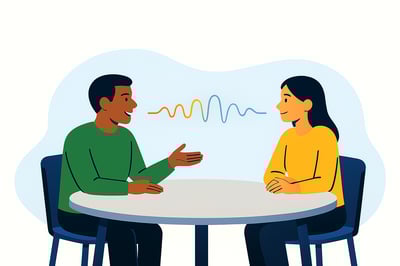
When you understand how someone hears you, “good intention” turns into felt connection.
Most communication breakdowns aren’t caused by lack of effort or empathy. They happen because we assume others listen the same way we speak. They don’t.
Every person has what MyHardWired calls an Expectations Mode. This is the behavioral pattern formed early in life that defines how cooperation, tone, and trust should sound. When two Expectations Modes collide, even good intentions can miss the mark.
👉 Wish people understood you without having to repeat yourself? Clarify who you are
Why Conversations Go Sideways
Communication falters not because people stop listening, but because they’re listening through their own behavioral filters. Each mode listens for different signals, values different tones, and defines respect differently.
|
Behavior Color
|
Listens For
|
Feels Heard When
|
Gets Defensive When
|
|
Green
|
Structure and precision
|
Facts and clarity
|
Information feels vague or chaotic
|
|
Red
|
Directness and clear points
|
Action steps and urgency
|
Conversations loop without decisions
|
|
Yellow
|
Positivity and inclusion
|
Recognition and openness
|
Tone feels negative or exclusive
|
|
Blue
|
Thoughtfulness and logic
|
Questions are welcomed
|
Ideas are dismissed or rushed
|
When those cues are missed, communication becomes translation. Each person is speaking a language the other doesn’t yet recognize.
The Hidden Power of Expectations Mode
Your Expectations Mode is the internal “should” voice that defines how you believe cooperation ought to look. It’s the behavioral template you bring into every conversation whether with a partner, colleague, or friend.
A Red expects quick answers and progress. A Blue expects time to process.
A Yellow expects warmth and enthusiasm. A Green expects accuracy and consistency.
A Blue expects dialogue and exploration. A Red expects brevity and closure.
A Green expects reliability and structure. A Yellow expects spontaneity and flexibility.
These expectations shape not just what we say, but how we listen. When someone violates that pattern by being too fast, too quiet, too analytical, or too emotional, it doesn’t just sound different. It feels unsafe.
When Misalignment Sounds Like Distance

Miscommunication is rarely dramatic. More often, it’s subtle. You repeat yourself but still aren’t understood. You leave a meeting drained even though nothing went wrong.
You sense tension without clear reason. You start avoiding certain conversations to keep the peace.
These are not emotional failures. They are behavioral collisions. When made visible, they can be repaired. When ignored, they slowly erode trust.
The Core Misunderstanding
We often assume good communication means clear expression. But clarity is relational, not personal.
A message isn’t clear because it’s well said. It’s clear because it’s well received.
Understanding wiring shifts communication from persuasion to translation. You stop trying to be better at talking and start being smarter about listening.
Conflict as a Behavioral Echo
Conflict isn’t random either. It’s often a reflection of unmet behavioral needs and each person trying to regain the form of clarity that makes them feel secure.
|
Color
|
Conflict Trigger
|
Best Way to Reset
|
|
Green
|
Feeling unprepared or blindsided
|
Provide context and confirm next steps
|
|
Red
|
Feeling stalled or unheard
|
Acknowledge urgency and define the next move
|
|
Yellow
|
Feeling left out or criticized
|
Reconnect with positivity and recognition
|
|
Blue
|
Feeling misunderstood or rushed
|
Slow down and invite thoughtful dialogue
|
When you meet the need behind the tension, the conflict resolves faster than any apology could.
Before You Move Forward
- Which Expectations Mode do I default to in high-stakes moments, and how does that shape what I listen for?
- Who do I feel most understood, and what specific cues or rhythms make that possible?
- Where do I consistently feel drained or misread, and which behavioral need is likely not being met?
- What would clarity look like for the other person’s wiring, and what single adjustment from me would make it easier to hear?
- If communication is translation, not persuasion, what am I willing to change so the message lands without losing authenticity?
Why The Guide Matters?
The Wired for Growth guide reveals how your three behavioral modes shape communication patterns, emotional safety, and collaboration. It shows how to translate across styles without losing authenticity so good intentions actually land.
Get The Guide
Start With Who You Are
For Individuals → Build self-awareness that transforms every conversation at work and at home
For Teams → Align diverse communication styles so collaboration feels natural and productive
For Consultants → Equip clients to bridge behavioral gaps and turn miscommunication into momentum