The Consultant's Edge
Your Certification Doesn’t End When You Finish Training, It Starts
Certification is more than taught. It’s lived and that’s what clients see.
Trust isn’t broken by big sins. It crumbles under inconsistent behavior people never see.
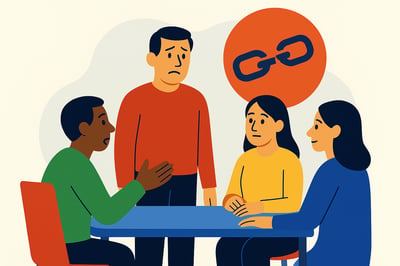
Trust doesn’t disappear in one dramatic moment.
It erodes quietly in the gap between what people say and how they show up.
👉 When promises don’t land, what’s behind them? Identify trust gaps in your team
Most leaders don’t intend to break trust. They miss it because trust is built behaviorally, not verbally.
People don’t judge your credibility by your mission statement. They judge it by your patterns:
Trust isn’t about perfection. It’s about behavioral consistency. What people expect versus what they experience.
Every person and leader projects trust differently based on wiring. Here’s how it plays out under pressure:
Green: The Rule EnforcerBuilds trust through stability and structure. Loses it when rigidity replaces responsiveness.
To repair: communicate flexibility without losing reliability.
Phrase: “I value process, and I’m open to adjusting this one to fit what’s needed now.”
Builds trust through decisiveness. Loses it when they act before listening.
To repair: slow down just enough to explain the why before moving.
Phrase: “I know I moved fast: Here’s the reason behind that call.”
Builds trust through optimism and connection. Loses it when follow-through doesn’t match enthusiasm.
To repair: clarify commitments and follow up visibly.
Phrase: “I promised to update you: Here’s where things stand, even if it’s not perfect yet.”
Builds trust through depth and rationale. Loses it when analysis delays action or communication fades.
To repair: close the loop sooner and share your thought process.
Phrase: “I’ve been thinking this through: Here’s my logic and what I’ll do next.”
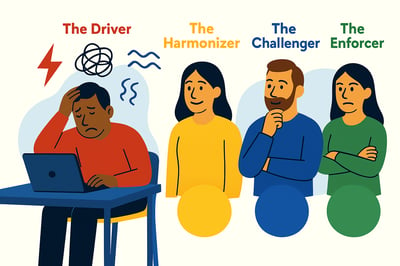
The biggest threat to trust isn’t dishonesty. It’s inconsistency.
Consider this:
A Green manager insists on process, but skips it when under pressure.
A Red leader promises autonomy but checks progress every hour.
A Yellow teammate commits to updates but forgets to send them.
A Blue strategist says they’ll make decisions, but they’re still researching a week later.
In each case, the intention is good, but the behavior doesn’t hold up. That gap is where trust leaks out.
Trust gaps appear when Expectations Modes don’t align:
Using the MyHardWired team sheet makes those differences visible before they become damage.
When everyone sees how trust is built and broken behaviorally, repair becomes a process, not guesswork.
👉 Learn how MyHardWired maps teams

Forget the cliché exercises. Trust repair happens in micro-moves.
“You expected more visibility; I assumed autonomy. That’s on me.”
“Let’s define what trust looks like. Is it check-ins, or freedom to run?”
“Here’s what I’ll do differently this week.”
When leaders address the pattern and not just the apology, teams start to believe again.
Take five quiet minutes today. Ask yourself:
Trust repair isn’t a grand act. It’s a series of small, visible corrections that say, “You can count on me to do what I said.”
Learn the behavioral cues that predict credibility under pressure.
For Individuals → Strengthen personal credibility through self-awareness and consistency
For Teams → Create norms that keep promises visible and measurable
For Consultants → Use MyHardWired data to coach teams through conflict recover
Certification is more than taught. It’s lived and that’s what clients see.
Discover how understanding behavioral wiring can transform conflict from a source of frustration to a tool for effective leadership and team...
Titles are easy to get. Fitting with your behavior is what makes work feel right.
Be the first to get new articles on Preferred Style, Expectations, and Instinctive Mode and practical ways to lead, coach, and hire in alignment with how people are actually wired.