Wired For Growth
The Energy Drain: How Misaligned Work Tasks Burn You Out
Busy isn’t always productive. When you align tasks with how you are wired, you thrive instead of just survive.
Success isn’t just skill. It’s behavior under pressure, alignment across roles.
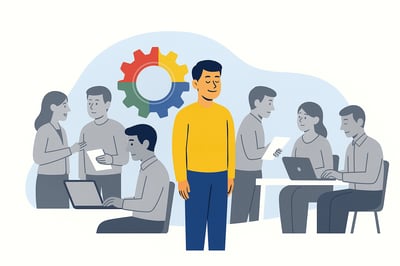
Success isn’t just skill. It’s behavior under pressure and alignment across roles.
Most leadership hiring or development programs still lean on skills-based assessments. Can they plan? Can they present? Can they deliver outcomes?
These are fair questions. But they’re incomplete.
Because knowing what someone can do doesn’t tell you how they’ll behave when the pressure rises, the team shifts, or the environment changes.
That’s the gap between a skill test and a behavioral assessment, and it matters more than ever in leadership.
Skill-based assessments measure what a person knows or can do in a controlled environment. They focus on:
These are useful when hiring for a role that’s heavily task-based. But they don’t show how someone will lead people, handle ambiguity, or respond to change.
That’s because skills are situational. They show up when conditions are steady. But leadership rarely lives in steady conditions.
A skills test might tell you if someone can run a project. It won’t show you if they panic when things go off track, or if they shut down when collaboration gets messy.
Behavioral assessments measure how someone responds to challenges, change, and stress, not just what they do, but how they do it under real-world conditions.
This is where leadership lives. In the moments that aren’t planned, rehearsed, or controlled.
Examples:
None of these are skill issues. They’re behavioral misalignments between the person and the role.
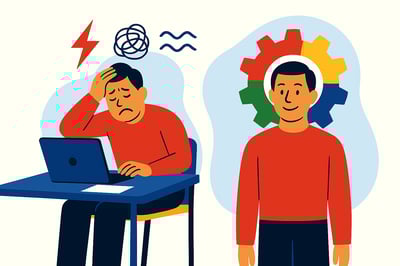
The most valuable assessments don’t just describe behavior. They predict shifts. This is what makes the MyHardWired model different.
Together, these create a behavioral profile that leaders can actually use. You can see:
This goes far beyond static labels. It maps what happens over time in real roles, under real conditions.
👉 Are your skills enough when things get messy?
Two senior leaders were brought in to scale a team. Both had impressive résumés, excellent skills, and glowing references.
Leader A pushed hard. Meetings were efficient, decisions fast. But within months, turnover rose. Morale dipped. Feedback pointed to a lack of psychological safety.
Leader B slowed things down. Made space for input. Coached each team member. The team grew steadily and started taking more ownership.
Why the difference?
Their behavioral wiring.
Leader A had strong Red Preferred traits but lacked awareness of their Yellow Expectations. They missed the team’s need for inclusion.
Leader B had Blue Preferred and Yellow Instinctive traits. They used curiosity and connection to build trust and unlock performance.
The difference wasn’t capability. It was behavioral awareness and alignment.
If you lead people, hire talent, or coach teams, here’s what a behavioral assessment gives you that a skills test can’t:
Skills are important. But behavior determines whether those skills scale, flex, and lead.

Start managing behavior, not just performance.
Leadership success isn't just about what you know. It's about how you show up, especially under pressure.
For Individuals → Discover what fuels your energy, focus, and confidence so you can lead with more intention and less burnout
For Teams → Build collaboration that fits your people’s wiring and reduces friction when challenges rise
For Consultants → Equip clients with predictive tools that reveal how their leaders respond under pressure and not just who they are on paper
Busy isn’t always productive. When you align tasks with how you are wired, you thrive instead of just survive.
Stress isn’t random. It’s behavior. Recognizing triggers gives you control.
Presence isn’t about volume. It’s about alignment. Find your voice by knowing and understanding your behavior.
Be the first to get new articles on Preferred Style, Expectations, and Instinctive Mode and practical ways to lead, coach, and hire in alignment with how people are actually wired.