What is MyHardWired
3 Signs Your Expectations Mode Is Driving You (Even When You Think You’re Leading)
You lead on other people’s map more than your own when Expected dominates.
“When stress hits, your behavior speaks. Are you listening?”
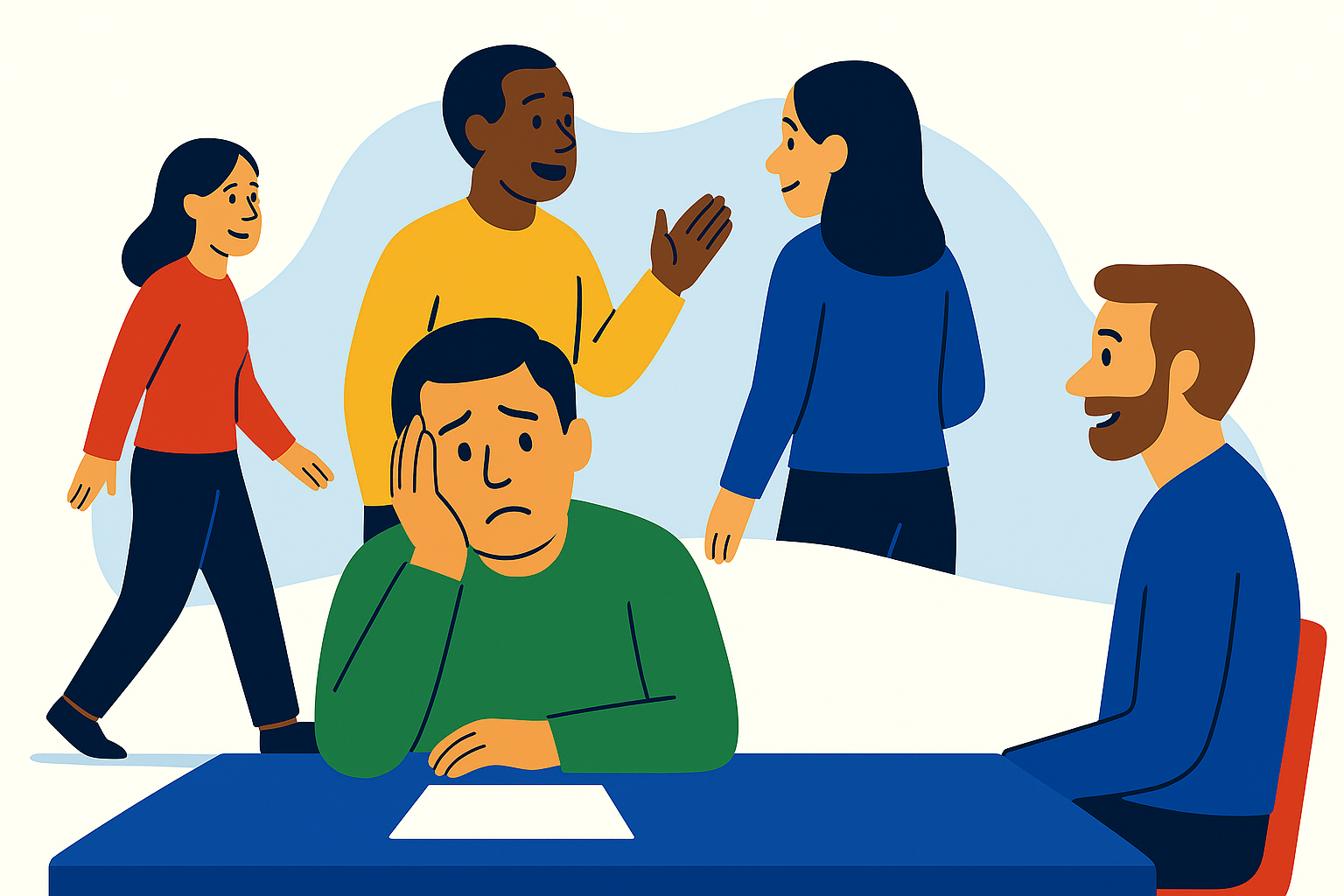 When stress hits, your behavior speaks. Are you listening?
Ever reacted in a way that made you think, “That’s not me”?
Maybe you snapped, shut down, got too loud, or too quiet.
Maybe you walked away from a situation thinking, “Where did that come from?”
That’s not you losing control. That’s you shifting into survival mode. It’s still you. It’s just a different part of you trying to take care of a need that got ignored.
This is your Instinctive Mode, the part of your behavior that shows up under pressure. It’s often misunderstood. And it’s often the most important to understand.
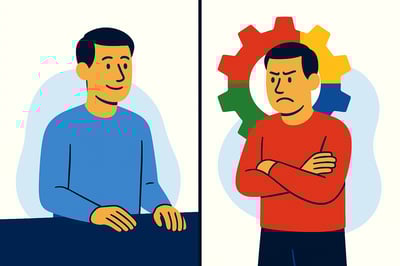
Your Instinctive Mode is the part of your behavior that steps in when your core needs feel threatened. This includes moments when:
Unlike your Preferred Mode, which shows up when you’re at your best, Instinctive Mode appears when your nervous system sends the signal that it’s time to protect yourself.
It’s not something you choose. It’s automatic. But once you know what it looks like, you can work with it instead of reacting from it.
Instinctive Mode is not about bad behavior. It’s about unmet needs. It can show up in subtle ways or big reactions. Here are a few patterns we see often:
Instinctive Trait |
Under Pressure, You Might... |
|
Green |
Freeze, double-check everything, resist sudden changes |
|
Red |
Get impatient, cut people off, focus only on the finish line |
|
Yellow |
Over-talk, avoid conflict, sugarcoat to keep the peace |
|
Blue |
Withdraw, overthink, hold back ideas to avoid judgment |
These aren’t character flaws. They’re signals that your environment is missing something you rely on: clarity, control, connection, or space.
Imagine an experienced leader. Calm, thoughtful, collaborative.
But put them in a room with high pressure and no clear answers, and something changes.
They stop contributing. They go quiet. They seem checked out.
What’s really happening? Their Blue Instinctive Mode needs space to process. The fast pace makes them feel overwhelmed, not by the work, but by the way the work is being handled.
From the outside, they look unengaged. Inside, they’re in survival mode.
And this misunderstanding creates tension, missed opportunities, and judgment from others. Not because the person isn’t capable. But because their Instinctive Mode was triggered without support.
Stress is going to happen. That’s a given. But what you do when it happens can shift everything.
Here’s what awareness can sound like:
These moments matter. Because the earlier you catch the shift, the more choice you have about what happens next.
This isn’t just insight. It’s a practical way to manage energy, avoid friction, and lead with more self-awareness.
Whether you’re leading a team, managing stress, or just trying to understand why certain moments throw you off, this is the clarity you’ve been looking for.
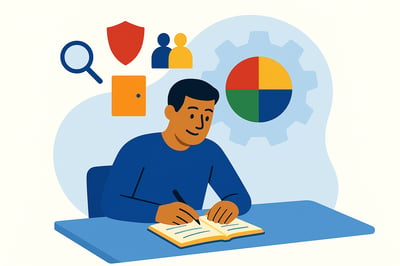
This isn’t about perfection. It’s about pattern recognition.
Instinctive Mode is just one part of your 3D behavioral blueprint. To understand how you lead, relate, and recharge, start with the full model.
For Individuals → Find the patterns that drive your best (and worst) moments
For Teams → Build trust by managing stress behavior
For Consultants → Help clients lead with clarity, not reactivity
You lead on other people’s map more than your own when Expected dominates.
Your best work happens where your preferred mode meets work, not where it doesn’t.
Behavior assessments that sit in a drawer waste money. Make yours work, day after day.
Be the first to get new articles on Preferred Style, Expectations, and Instinctive Mode and practical ways to lead, coach, and hire in alignment with how people are actually wired.