
Every company says it wants a feedback culture. The promise is simple: open dialogue, better performance, stronger trust. But feedback culture fails when it ignores behavior. A strong feedback system depends on leaders who understand how people are wired to listen, react, and grow.
Feedback builds trust when it fits the way people are wired to hear it.
What Real Feedback Culture Means
Feedback culture isn’t constant critique or endless praise. It’s safety through predictability. People know when feedback will happen, how it will sound, and what to do next. That predictability comes from behavioral consistency, not slogans or scripts.
👉 Want feedback that actually lands?
Why Feedback Misses the Mark
Different people process feedback in different ways:
Green values structure and reliability. Provide examples and process; sudden, emotional feedback erodes trust.
Red values directness and results. Say it clearly, tie it to outcomes, and move forward.
Yellow values connection and optimism. Lead with recognition, then coach with encouragement.
Blue values reflection and understanding. Give time to process; pressuring for instant answers shuts them down.
When leaders give feedback in their own default style, three-quarters of the room hears it differently. It’s not resistance, it’s misalignment.
Common Feedback Traps
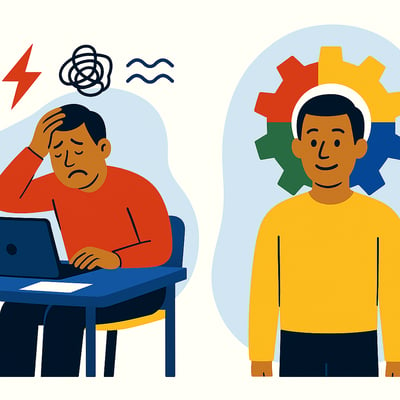
- Generic Praise
“Great job” feels polite but gives no direction. Reds and Greens hear filler. Yellows enjoy it, then forget it.
- Bottled-Up Critique
Delaying tough feedback turns it into history instead of learning. The energy is lost.
- The Compliment Sandwich
Compliment, critique, compliment. It sounds kind but often lands as vague or manipulative.
- Ignoring Stress Behavior
Under pressure, Reds speed up, Greens tighten control, Yellows over-cheer, Blues overthink. If you miss those shifts, your message hits a moving target.
How to Make Feedback Land
The solution isn’t more feedback. It’s smarter feedback.
- Adapt delivery, not integrity. Keep your message, but tailor tone and pacing to how the receiver hears best.
- Match the moment. Quick, outcome-based feedback works for Reds and Yellows. Scheduled, detailed reviews fit Greens and Blues.
- Stay behavior-specific. Describe the action, not the personality: “When deadlines moved without notice, the team felt off-balance,” not “You’re unreliable.”
- Make it two-way. Ask for feedback on your delivery. Leaders model openness when they receive as well as give.
- Notice mode shifts. When tension rises, name it: “I’m feeling rushed, and I may sound sharper than I mean.” This resets safety instantly.
👉Think your feedback style is clear?
The 24-Hour Feedback Test

Choose one feedback conversation on your calendar. Before it happens, note the person’s likely color mix: Green, Red, Yellow, or Blue.
- Draft your message in their listening language.
- Deliver it within 48 hours.
- Ask one closing question that fits their wiring:
- “What outcome feels right to you?” for Red
- “What process will help next time?” for Green
- “What support would help?” for Yellow
- “What questions do you still have?” for Blue
Then, note how fast the conversation moved from tension to clarity.
Patterns to Watch
MyHardWired highlights feedback by showing these patterns quickly so you can adjust with precision.
- Who consistently misreads your intent?
- Which color do you default to when giving feedback?
- When feedback fails, is it your message or the delivery?
Ready to Build Feedback That Sticks?
You’ve seen how easily feedback derails when behavior is ignored. Now see your complete 3D profile, the motivators, stress patterns, and listening preferences that shape every conversation.
Get The Guide
Choose Your Next Step
For Individuals → Learn how your wiring shapes how you give and receive feedback
For Teams → Build a feedback rhythm that honors every communication style.
For Consultants → Add a behavioral layer to client feedback programs that last.