
Trust is the currency of leadership.
It determines whether people lean in or pull back, whether they follow your direction or second-guess it. Most leaders think trust comes from charisma, credentials, or clever communication. But research and experience show something simpler:
People trust what they can predict.
Consistency of behavior is more powerful than any motivational speech. When your team knows what to expect from you even under pressure, credibility builds. When they don’t, trust erodes, no matter how talented you are.
Why Consistency Beats Charisma
Think about the leaders you’ve trusted most. Chances are, it wasn’t because they dazzled a room. It was because their words and actions lined up. You knew how they’d respond whether in a routine meeting or a crisis.
👉 Want your team to trust you without constant proof?
Now think about a leader you struggled with. Did their tone shift depending on stress? Did they say one thing in private and another in public? That unpredictability makes people cautious. They hold back. They follow less.
Charisma can inspire in a moment. But consistency builds belief that lasts.
What Breaks Consistency
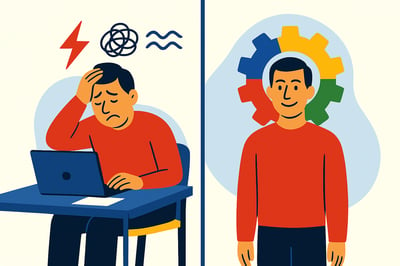
If consistency is so valuable, why do leaders lose it? Three main forces cause behavior to shift in ways that confuse teams:
- Stress. When deadlines loom, Instinctive Mode takes over. Reds push harder, Greens retreat into control, Yellows over-smooth, Blues overthink. To the team, these shifts look like personality changes even if they’re predictable patterns.
- Role Demands. A detail-driven Green leader promoted into a “big picture” strategy role may try to fake visionary thinking. A people-focused Yellow asked to “be tougher” may come across forced. Misfit roles create inconsistency between strengths and demands.
- Expectation Mismatch. Every leader carries an internal “should,”how they were taught to behave to earn cooperation. When those Expectations clash with their natural style, leaders toggle between two versions of themselves, leaving the team unsure which one will show up.
The common thread: inconsistency isn’t usually a values problem. It’s a wiring problem.
The Trust–Behavior Link
You are either are or you are not in alignment. Here’s the pattern:
In Alignment (Preferred Mode front and center): Behavior feels authentic. Trust grows.
Misalignment (leading mostly from Expectations or Instinctive): Behavior feels inconsistent. Trust erodes.
Trust is less about what you do than whether people can predict how you’ll do it. Reliability of behavior is the signal.
Tools for Staying Consistent
You don’t need to reinvent yourself. You need to align yourself. Here are four practical ways:
- Name Your Modes. Know your Preferred, Expectations, and Instinctive wiring. Awareness turns surprises into patterns you can explain.
- Set Clear Agreements. Tell your team how you prefer to be approached (facts, brevity, optimism, or questions). When they meet you where you are, defensiveness drops.
- Pre-Plan Stress Behavior. If you know your Instinctive Mode tightens control or speeds up, design a reset: take a pause, delegate, or seek the opposite perspective.
- Anchor to Values + Behavior. Consistency doesn’t mean never adapting. It means adapting in ways that still align with what people expect from your wiring.
MyHardWired helps leaders see not just their values, but their actual behavioral patterns under normal, adaptive, and stressed conditions. That clarity is what keeps behavior predictable and trust durable.

Trust Calibration
Pick one predictable leadership moment this week like a 1:1 or project update.
- Before it happens, write how you normally show up (tone, pace, focus).
- Ask: “What might stress shift in me?” Then design a 5-second reset if it happens.
- Afterward, ask one teammate: “Did I show up how you expected?” Record what you hear.
Then ask your team for feedback: “Did I show up in a way you expected?”
Patterns to Watch
- When have I unintentionally sent mixed signals?
- Do I act differently depending on stress, or do I explain my shifts?
- What one consistent behavior would build the most trust with my team right now?
See Your Trust Pattern End -to-End
Trust doesn’t come from being the loudest voice or the most charismatic leader. It comes from showing up predictably day after day, in ways people can count on.
Consistency isn’t static. It’s alignment. And when your wiring, your words, and your actions line up, trust follows naturally.
Want to know why your team finds you reliable or not?
Get The Guide
Discover More
For Individuals → Want to feel steady, not strained? Align daily leadership habits to your natural wiring so people always know what to expect
For Teams → Tired of mixed signals across leaders? Create shared norms that respect different styles while keeping behaviors consistent
For Consultants → Need a tool that sticks after the workshop? Diagnose behavioral drift and coach clients to durable consistency under pressure